
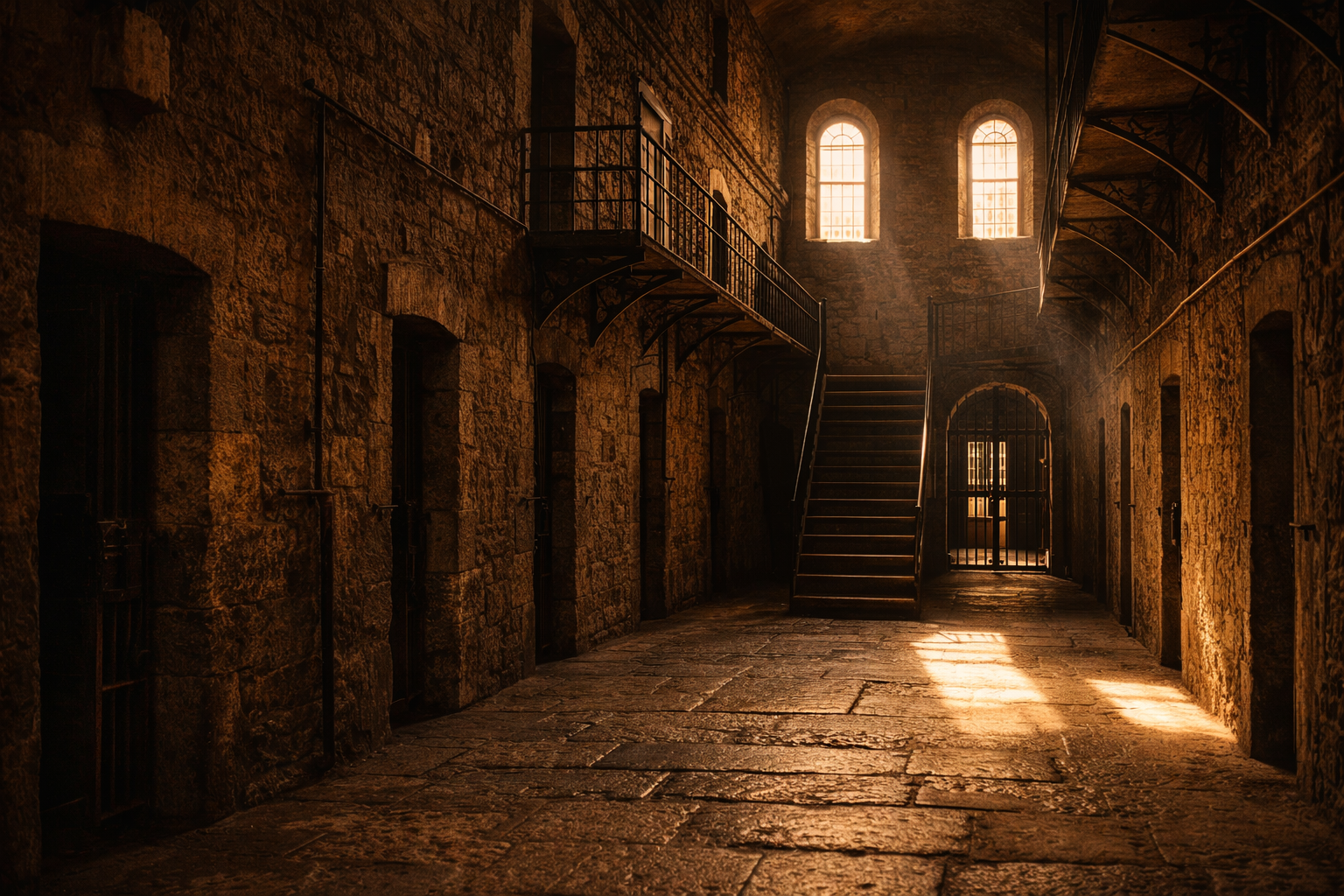
Where Irish history was made
Kilmainham Gaol (Irish: Príosún Chill Mhaighneann) is one of the largest unoccupied gaols in Europe. Built in 1796, it held prisoners from every generation of political and military leaders in Irish history, from Robert Emmet to the leaders of the 1916 Easter Rising.
Walking through its corridors is a haunting experience. The gaol closed in 1924, and today stands as a powerful museum and memorial to those who fought for Irish freedom.
The prison's most famous prisoners were the leaders of the 1916 Rising. Fourteen were executed in the Stonebreakers' Yard, transforming public opinion and setting in motion the events that would lead to Irish independence. Joseph Plunkett married Grace Gifford in the prison chapel just hours before his execution - a story that has become legendary in Irish history.
Address: Inchicore Road, Kilmainham, Dublin 8
Opening Hours: 9:30 AM - 6:00 PM (seasonal variations)
Note: Pre-booking is essential for Kilmainham Gaol museum visits.